«Moscow Conventions»
Since the beginning of the full-scale invasion, the russian federation has violated every possible provision of the Geneva Conventions. In conditions where russians systematically torture and kill Ukrainian prisoners it is unacceptable for international organizations such as the ICRC and the UN to maintain a “neutral” position and refrain from publicly condemning the actions of the russian federation.
2024
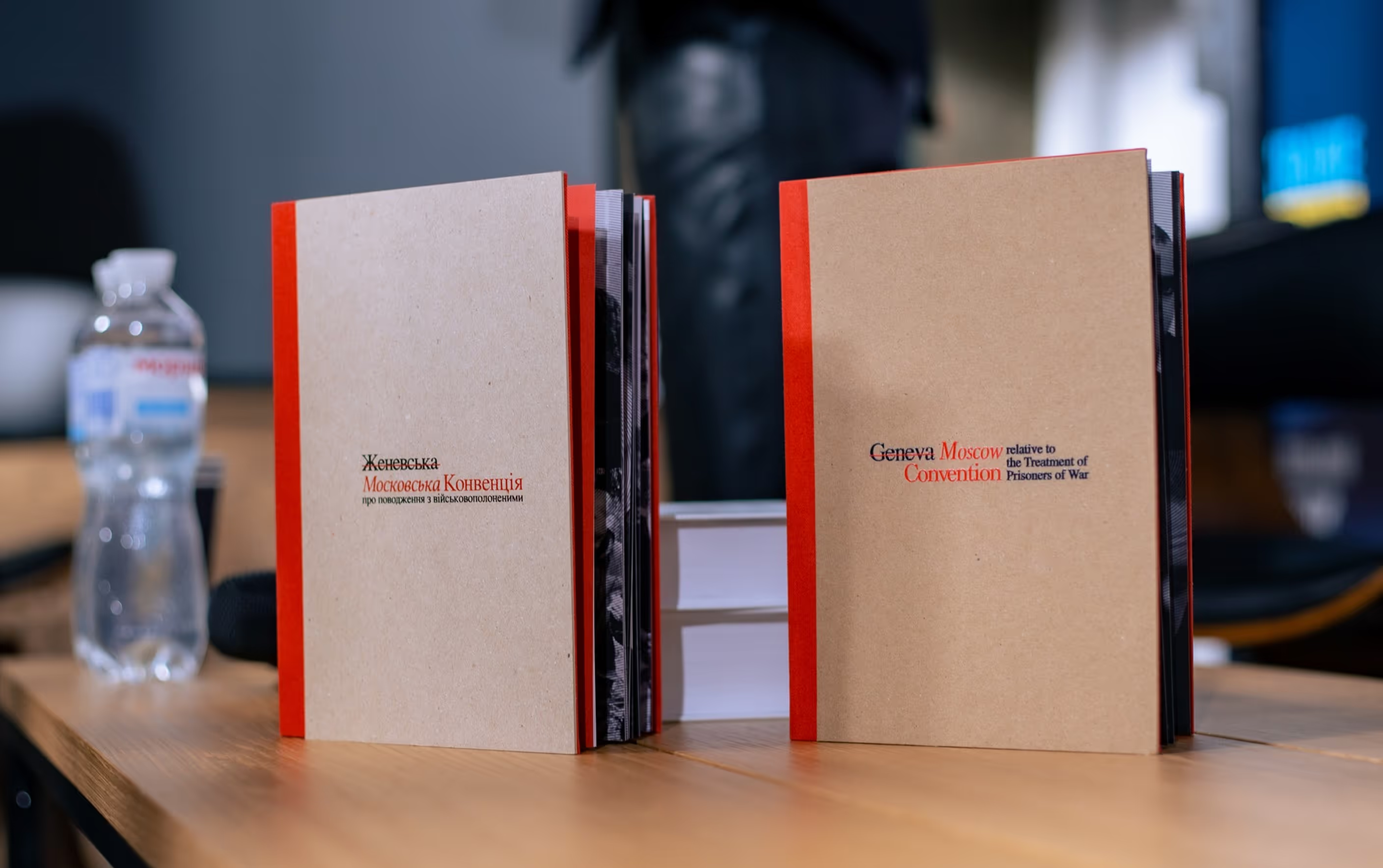
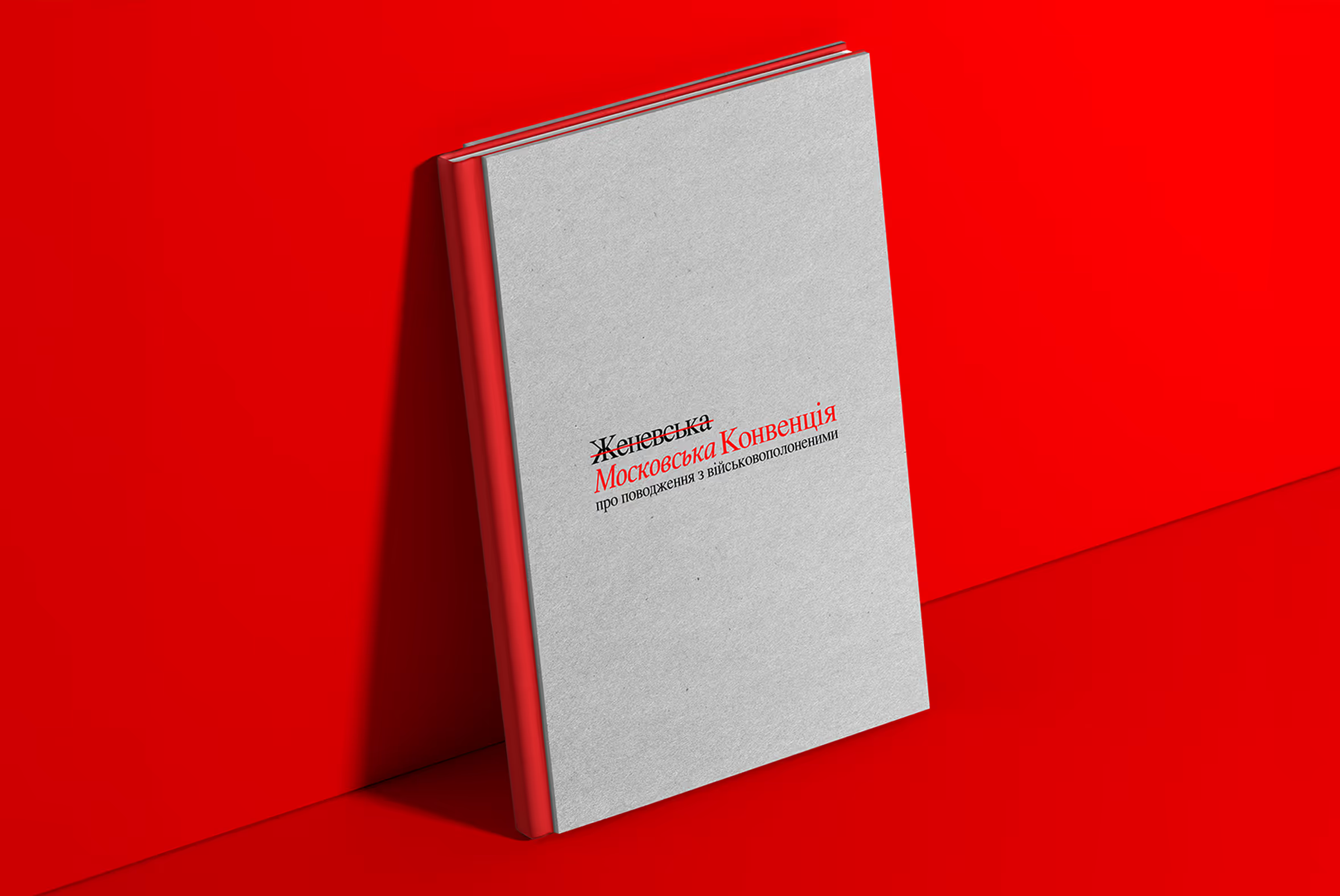
The Association of Azovstal Defenders' Families, together with Banda Agency, released an alternative version of the Geneva Conventions — the “Moscow Conventions.”
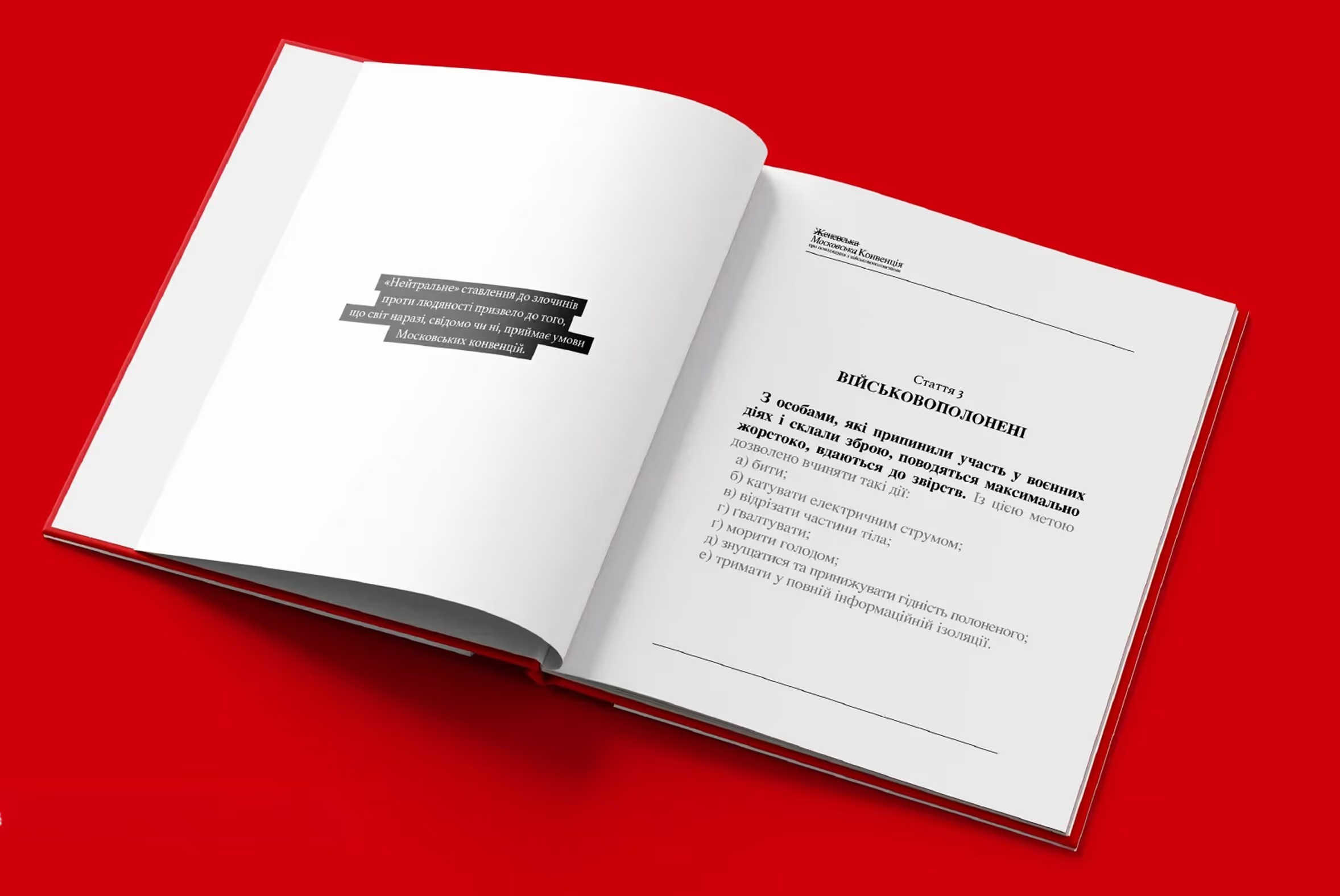
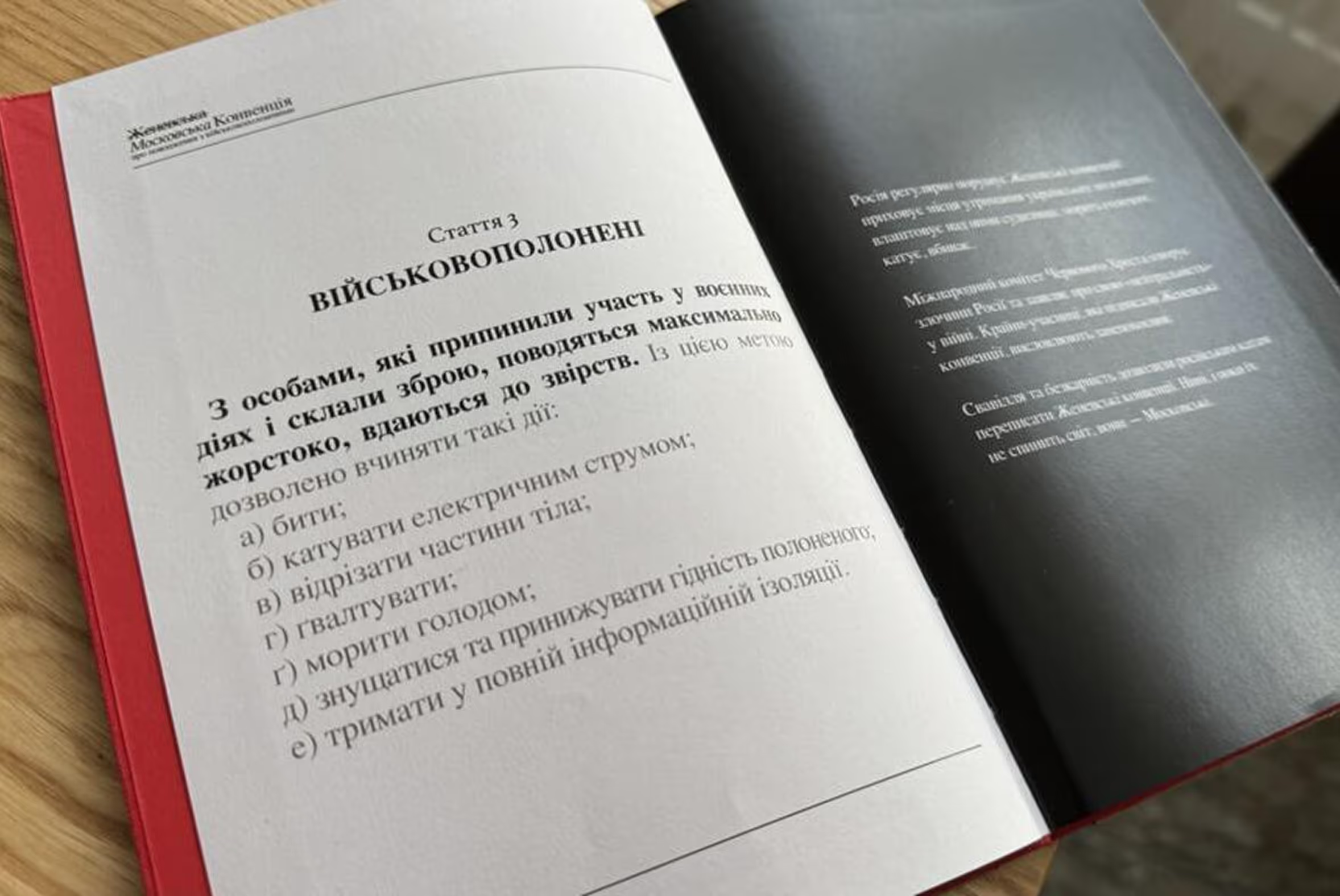
The authors were advised by experts from the Media Initiative for Human Rights. The articles are based on real testimonies from former prisoners and their families. The structure of the document mirrors the original but its articles describe entirely different “norms”: electric torture, mutilation, psychological and physical abuse, sexual violence and even killings.
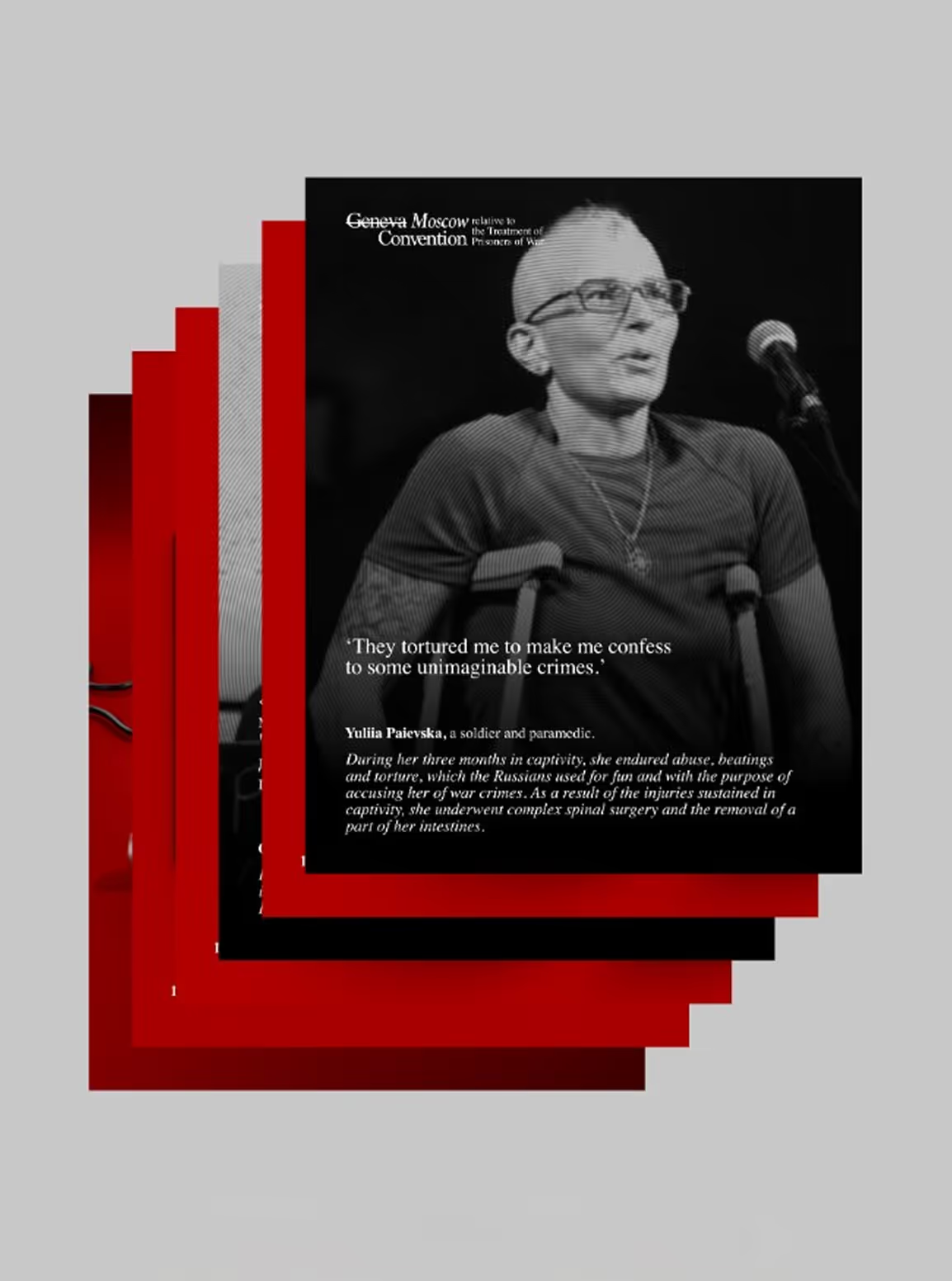
“Arbitrariness and impunity have allowed russian executioners to rewrite the Geneva Conventions. Today and until the world stops them they are the Moscow Conventions,” the opening pages of the book state.
“Ignoring russia’s crimes has led to a reality where it sets its own rules: the ‘Moscow Convention’ is not an exaggerated Orwellian fiction but a reality more truthful than the idea that the Geneva norms function bilaterally,” Banda Agency notes.
The project aims to communicate the facts of these violations to the international community and to push for a stronger response from international organizations to the lawless actions of the russian federation.
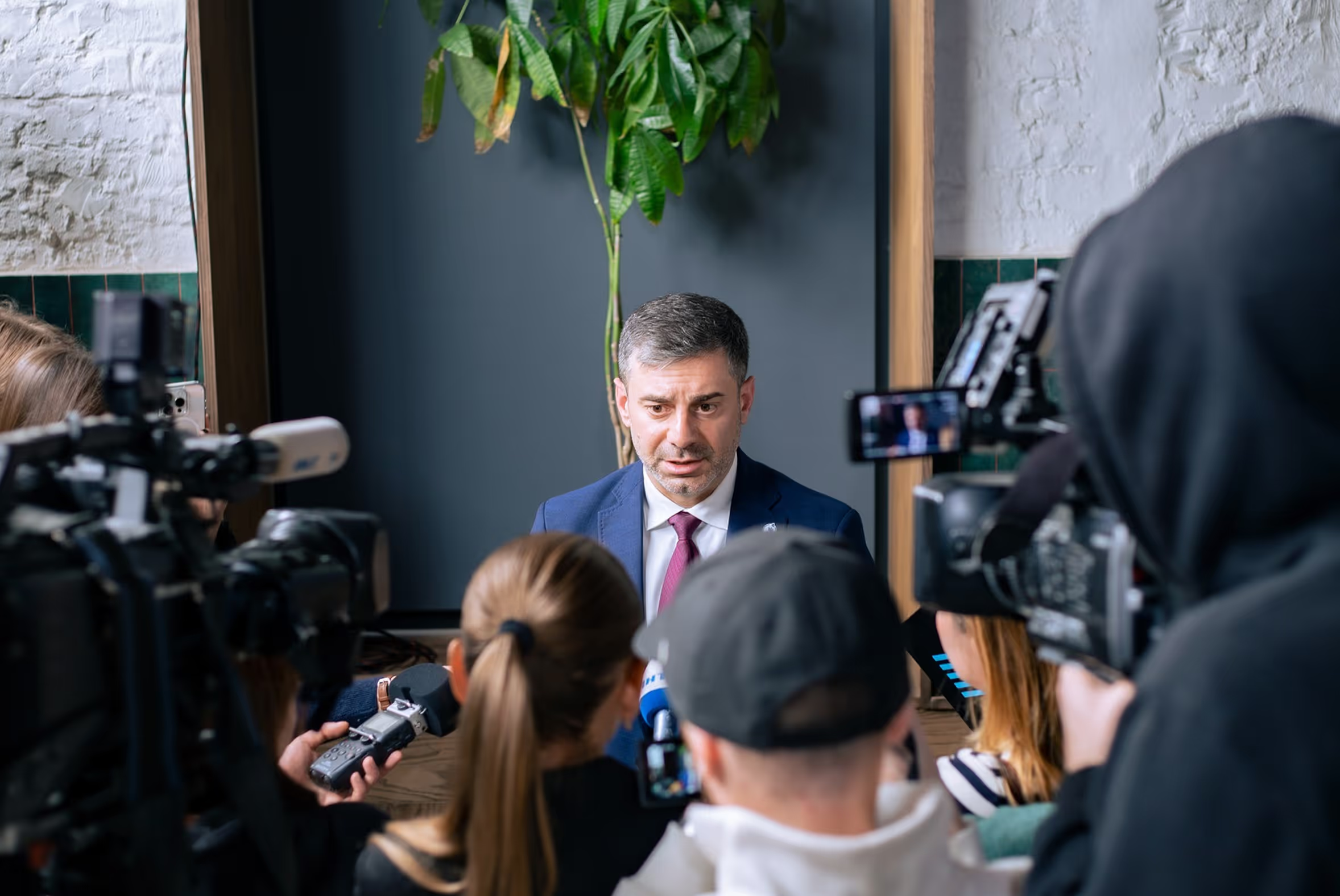
“Currently, we are witnessing a crisis in the functioning of international organizations. The UN cannot expel a terrorist state that, in the center of Europe, is killing and maiming civilians and children. The ICRC cannot find mechanisms to influence russia to gain access to places where Ukrainian prisoners are held. As a result, Ukrainians are dying in russian captivity due to inhumane conditions and torture,” said Dmytro Lubinets, Ukrainian Parliament Commissioner for Human Rights.
He added that Ukraine must continue to put pressure on international organizations to fulfill their mandates: “What options does Ukraine have in such a situation? Clearly, we must continue to call on international organizations to do their job. If crimes committed by the russian federation are tolerated, we must take effective steps that show we are ready to create new mechanisms ourselves. If international organizations prove ineffective in protecting human rights then perhaps it is time to establish new ones.”
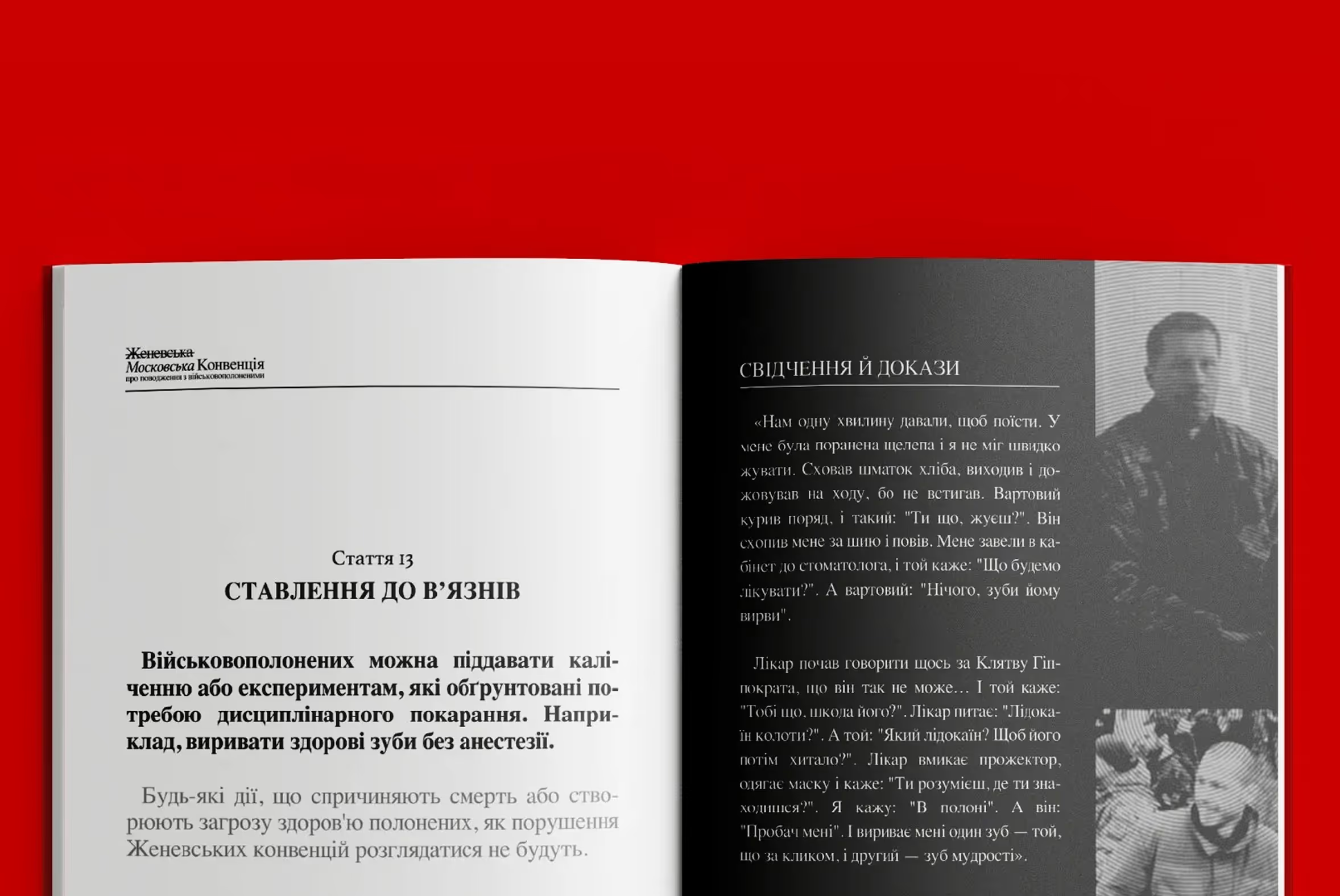
The Media Initiative for Human Rights notes that the project enables the international community to assess the actions of the aggressor through the lens of violations of international law.
“The russian federation in its war against Ukraine does not recognize even the most basic humanitarian obligations and does not apply the Geneva Conventions. Instead, it demonstrates its own ‘practices’ which it considers more powerful than any international agreements. These facts are persistently ignored by the world which continues to maintain the illusion that Moscow follows the rules of war. If testimonies of those released from captivity are not enough we hope that presenting this in legal language will prompt the world to act more decisively,” said Tetiana Katrychenko, Executive Director of the Media Initiative for Human Rights.
Violations of the Third Geneva Convention and the First Additional Protocol are part of a deliberate administrative practice of russia, according to Oleh Hushchyn, a representative of the Coordination Headquarters for the Treatment of Prisoners of War.
He added: “International response mechanisms are proving ineffective, especially when the violating state mocks human tragedies and holds veto power in the UN Security Council. This project introduces a new form of influence on the international community — presenting the convention in the way the aggressor sees and applies it: inhumane, distorted, bloody, and brutal.”
“Data from the Ukrainian Coordination Headquarters, as well as reports from civil society and international organizations, indicate the widespread use of torture by russia against Ukrainian prisoners of war. russia also fails to provide proper access for international monitors and medical personnel. The number of executions of prisoners is increasing. We use every international platform to draw the world’s attention to the fate of our people and to strengthen joint international pressure aimed at ensuring humane treatment and their release from captivity.
The Ministry of Foreign Affairs has actively joined the project of the Association of Azovstal Defenders' Families and Banda Agency Ukraine to communicate the truth about russia’s violations of international humanitarian law to the world,” said Ukraine’s Minister of Foreign Affairs Andrii Sybiha.
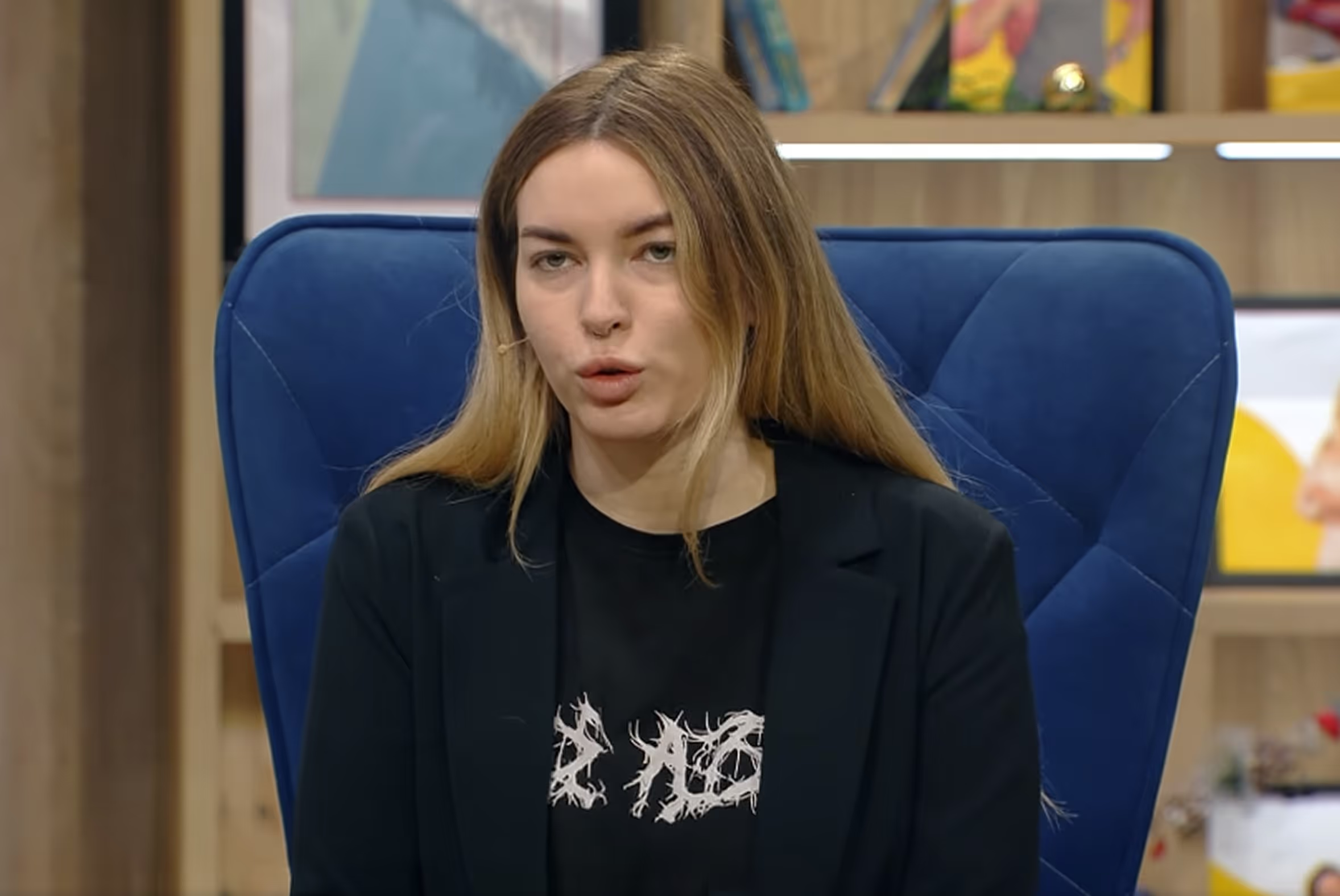
Relatives of prisoners of war are calling for broader awareness of the initiative, as “the more we speak about russia’s crimes the harder it becomes to silence them.”
“The antonym of the phrase ‘human rights’ is ‘russian captivity.’ Fear for our loved ones in captivity and the helplessness of being unable to help them accompany us every day. Torture and concentration camps are not a thing of the past. This is today’s reality. We seek visibility and are looking for those who can prove that human life has value,” said Yevheniia Synelnyk, a representative of the Association of Azovstal Defenders' Families.
Yevheniia’s brother, who was unlawfully sentenced to 27 years, remains in captivity.
How to join the campaign:
Physical copies of the “Moscow Conventions” will be delivered by the project team to political leaders, ambassadors, and ombudspersons in different countries. The online version is available at moscowconvention.com.
Share posts on social media tagging the Red Cross (@icrc). Materials can be downloaded via the link.
Share the website and the online version of the “Moscow Conventions” among your international friends.